Some projects arise from a practical need, others from a hunch. The
Astra project stems from both.
In this project, the Saglietti Group applied its approach through
Design Hub, a space where
design, engineering, and production work together to transform ideas into tangible products, ready for industrial-scale production.
Design Hub represents the intersection of creativity and technology. It is not merely a design space, but a working method that allows us to oversee every stage of product development,
from the initial concept to the physical realization.
Translated with DeepL.com (free version)
Architects, designers, and companies are supported throughout the entire process, with the goal of translating real needs into concrete solutions while ensuring consistency between the aesthetic vision and production feasibility.
The Astra Project
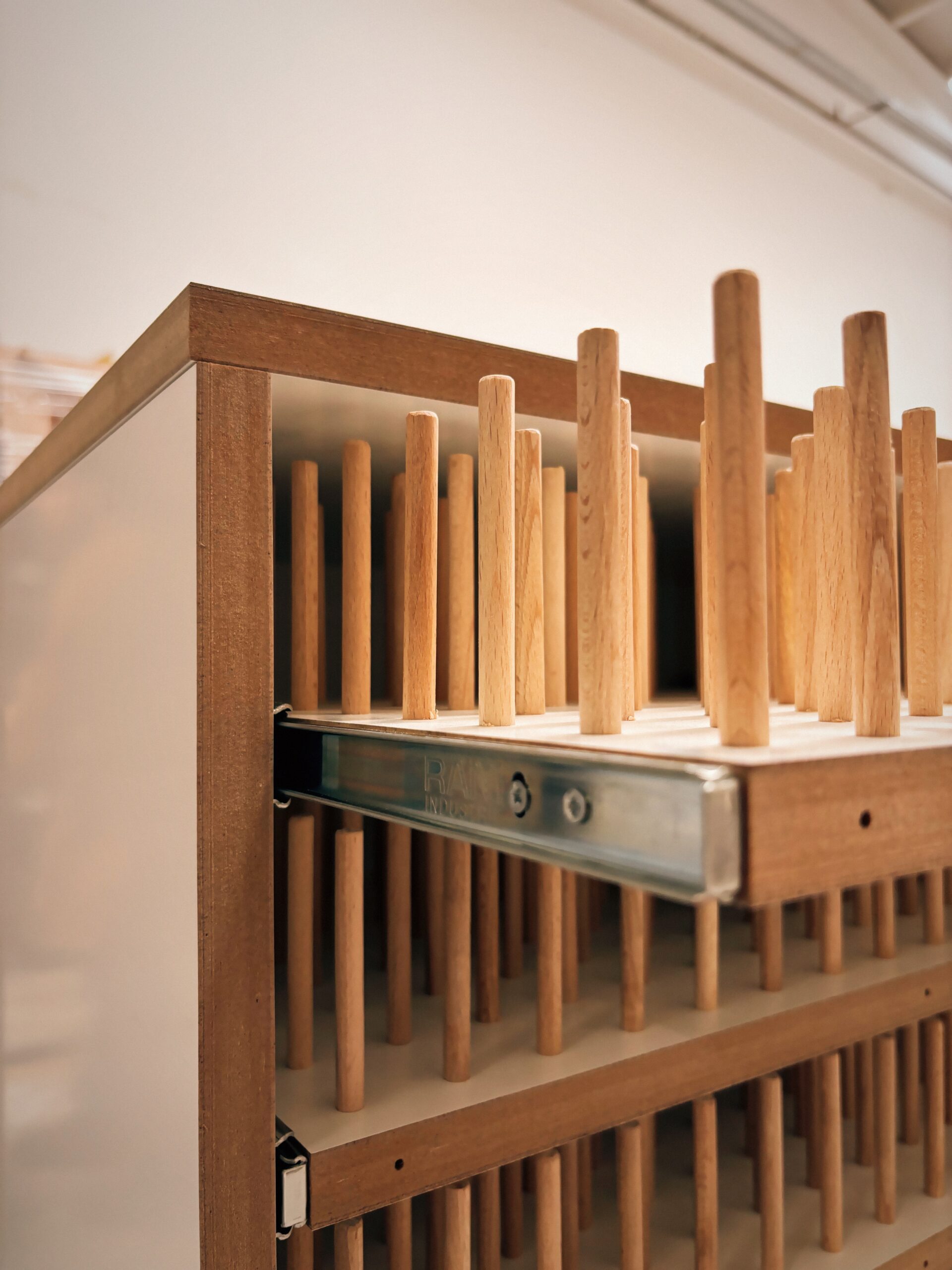
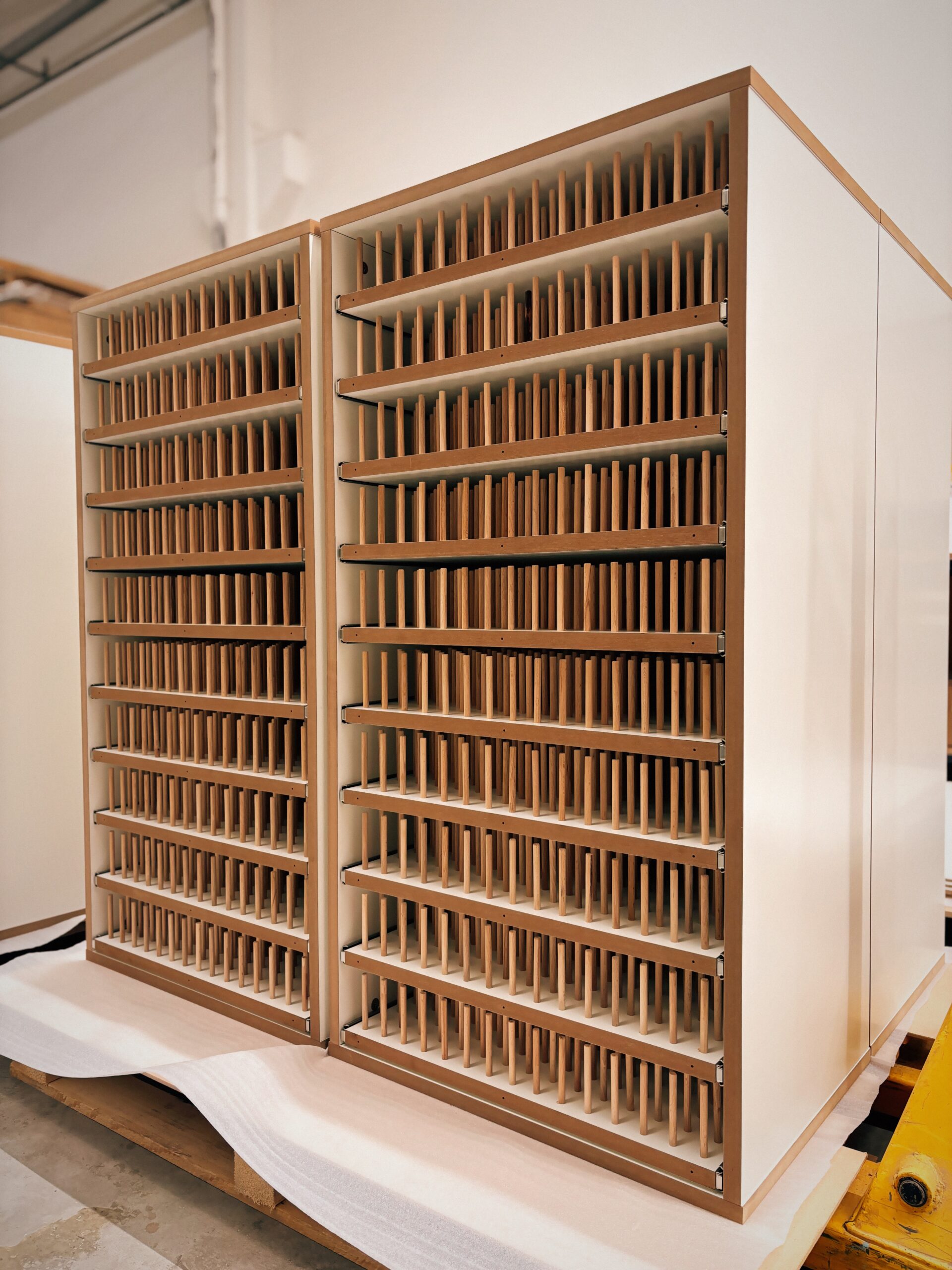
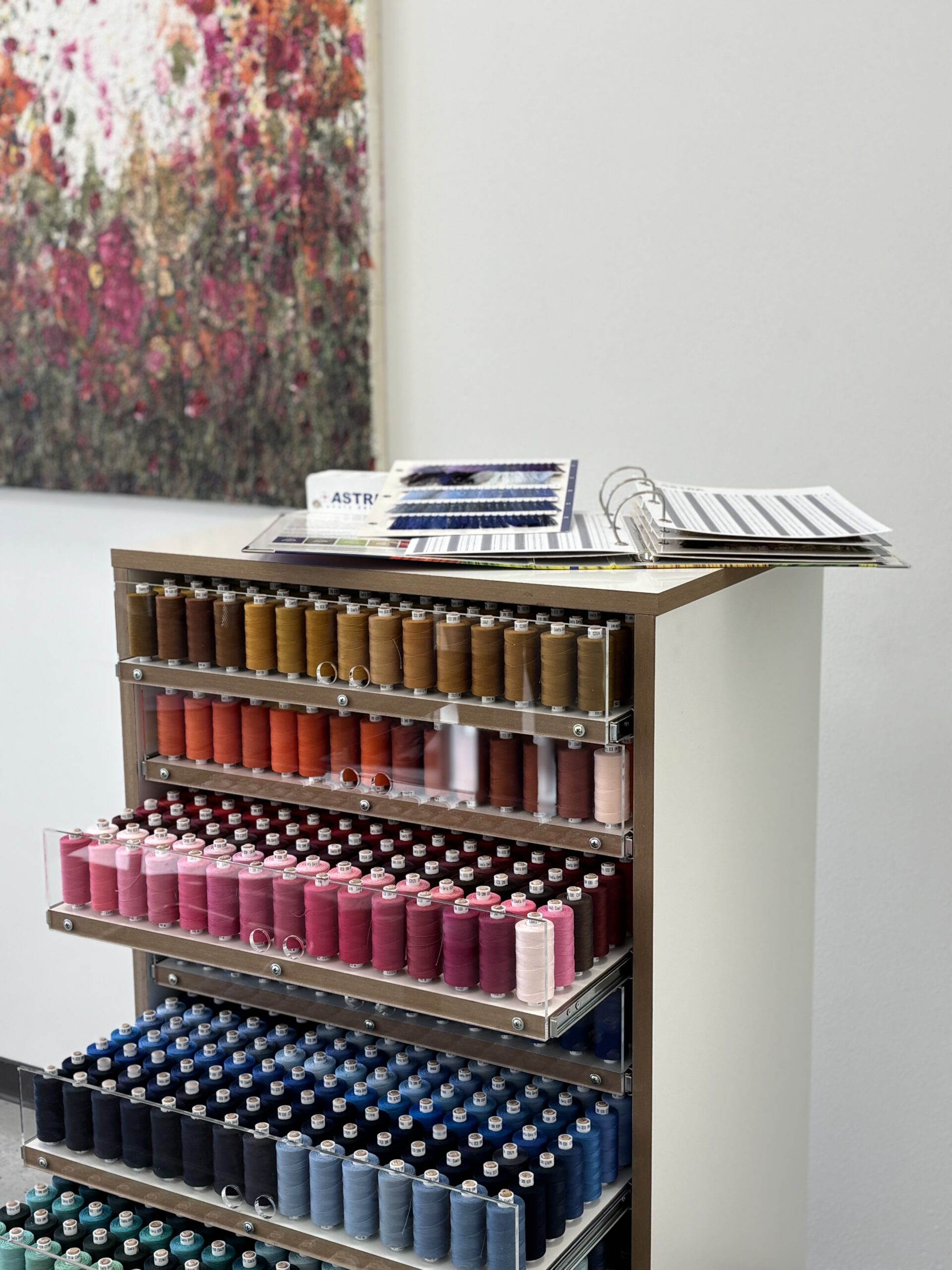
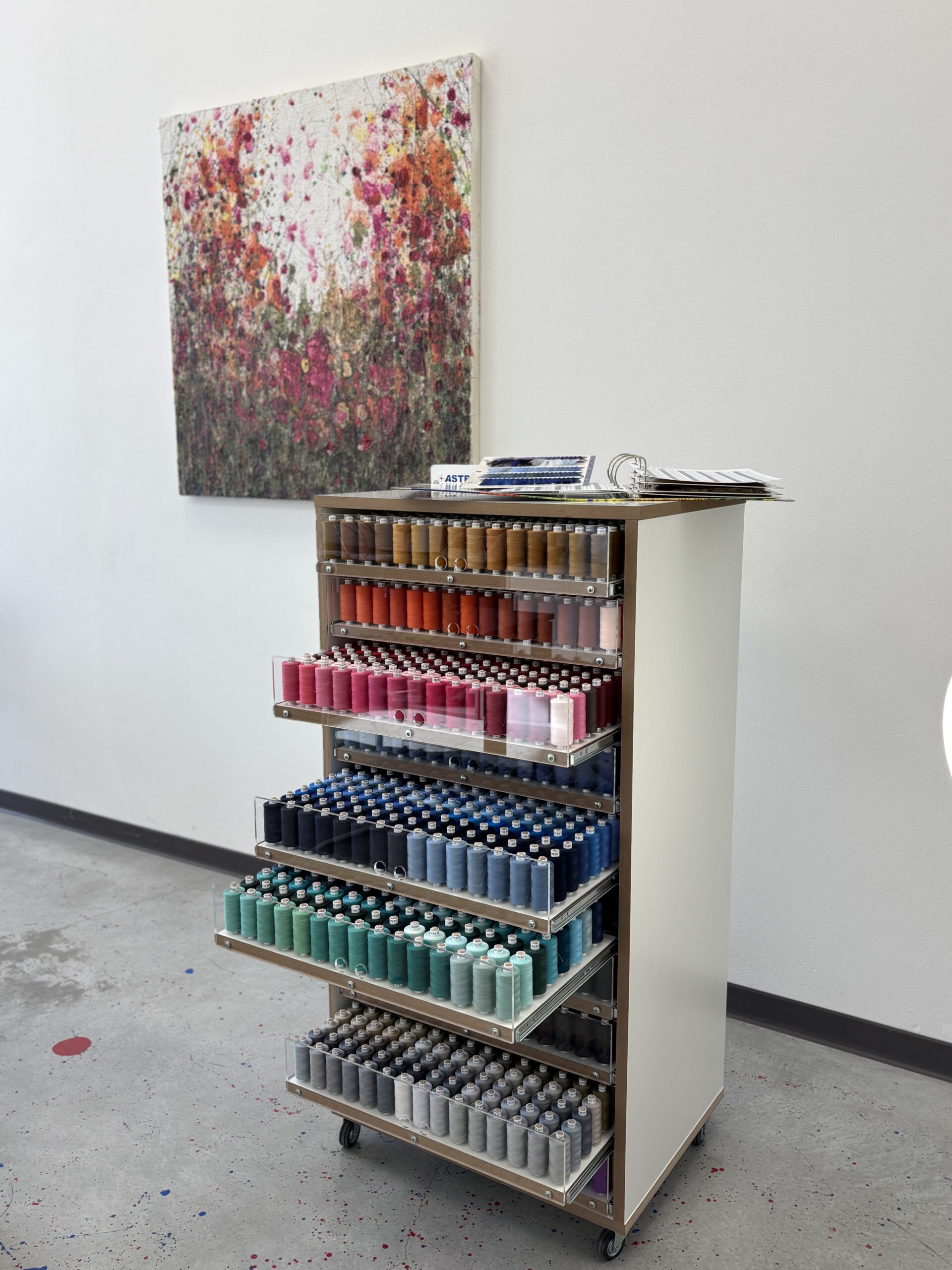
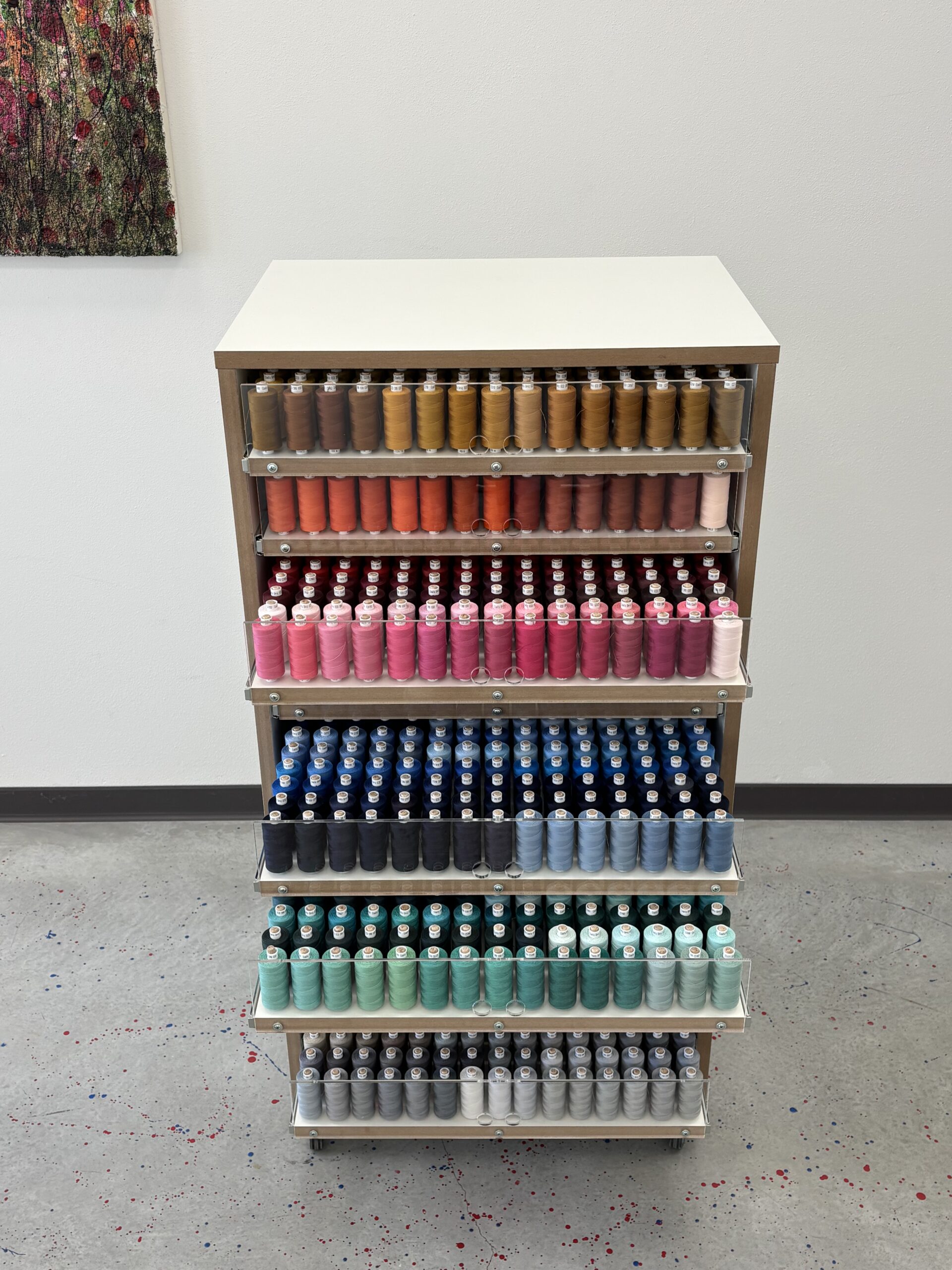
Astra, a Tuscan company operating in the fashion and luxury sector, approached us with a very specific request: to design a drawer unit capable of holding 1,200 spools of thread, perfectly organized, visible, and easily accessible, without any overlap.
The challenge was to develop a technical object—but also an everyday work tool—that was
functional, sleek, and consistent with the company’s identity.
From the comparison to the 3D model
The first step was
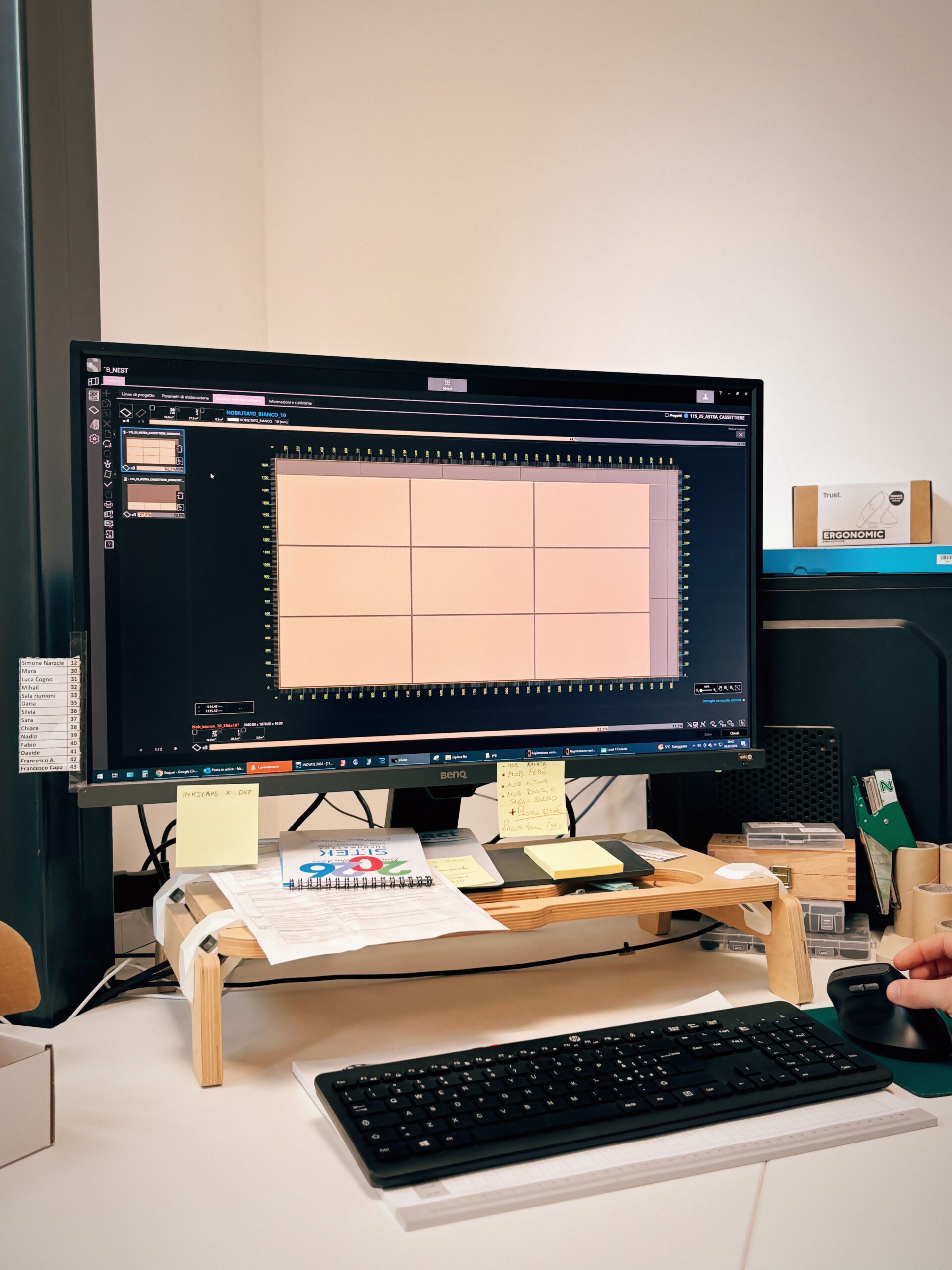
direct communication with the client. In collaboration with the sales department and the engineering office, every requirement was analyzed and translated into a
comprehensive 3D model, including all system components.
Starting from this digital model, the second engineering department developed the
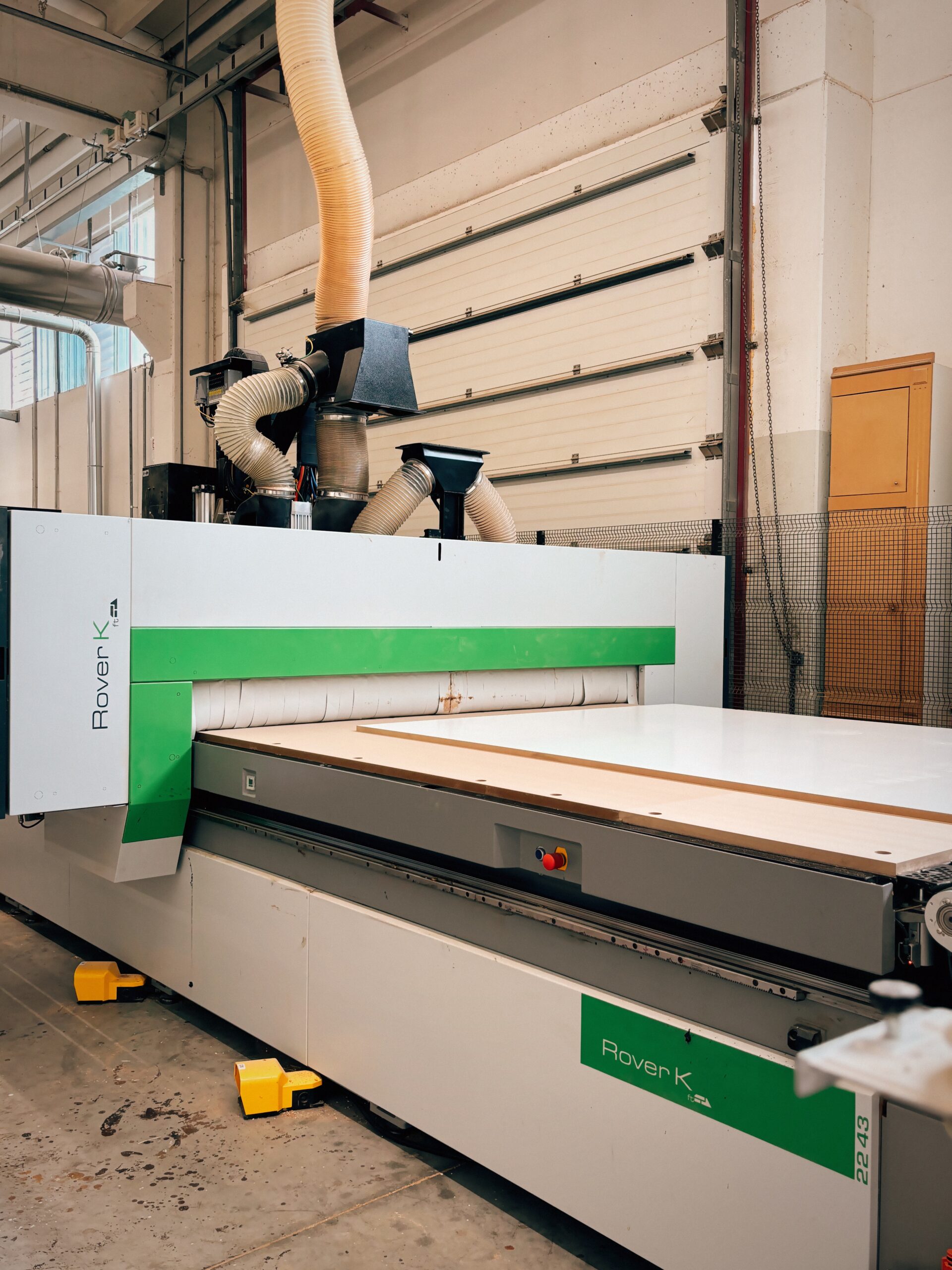
machine programs, precisely defining all necessary machining operations. Every production phase was studied in detail, from cutting to milling, through drilling, and to the correct positioning of the hardware, with the goal of ensuring maximum precision and repeatability.
Materials and Construction
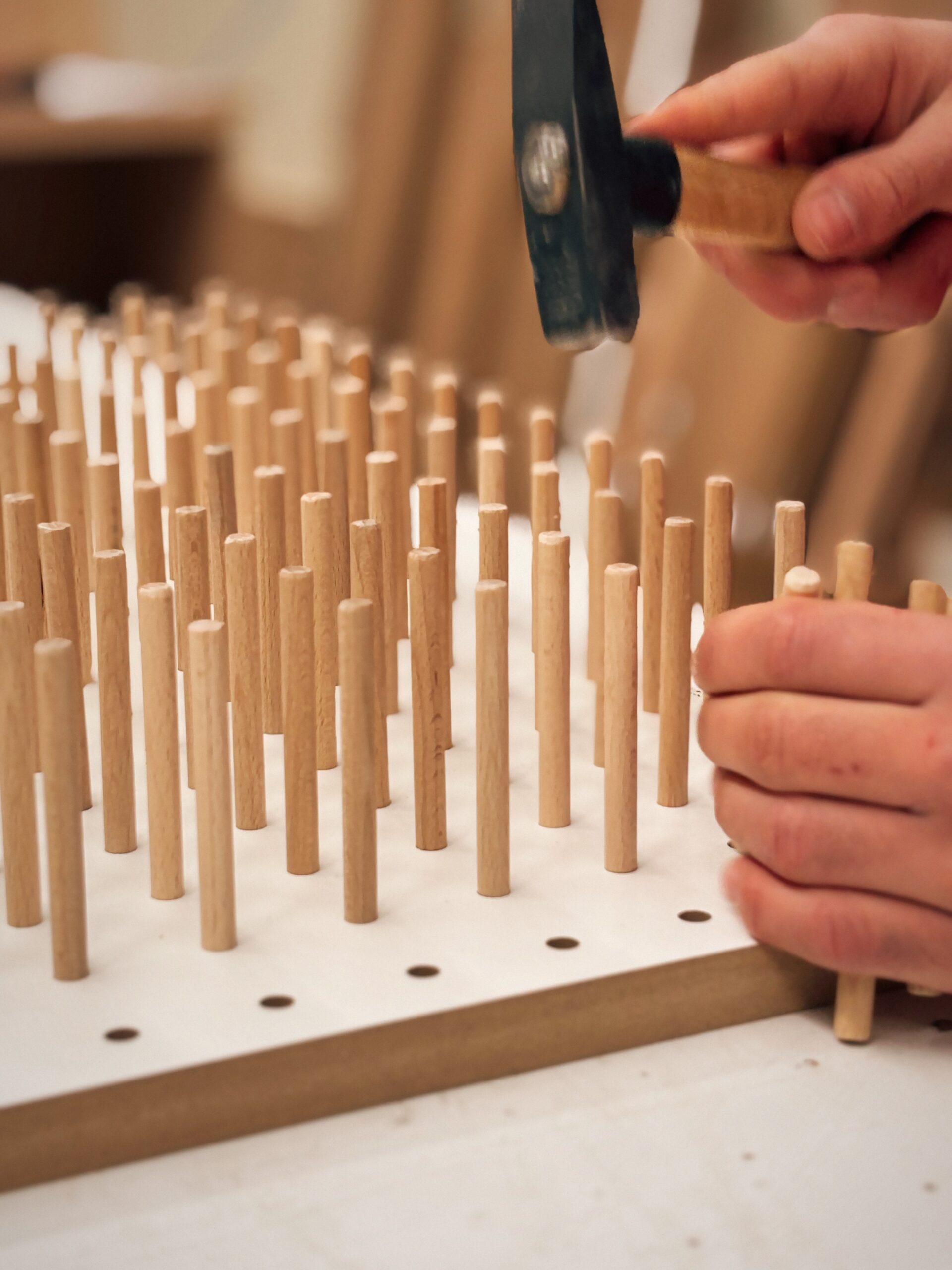
The chest of drawers is made entirely of white laminated MDF, a material chosen for its stability, durability, and aesthetic appeal. The unit consists of ten drawers, each designed to hold 120 beech pegs, for a total of 1,200 pieces.
The pegs, with precise dimensions of 90 mm in height and 8 mm in diameter, are positioned at perfectly equal distances. This design choice is not random but responds to the need to ensure order, accessibility, and true functionality in daily use.
Visibility and functionality
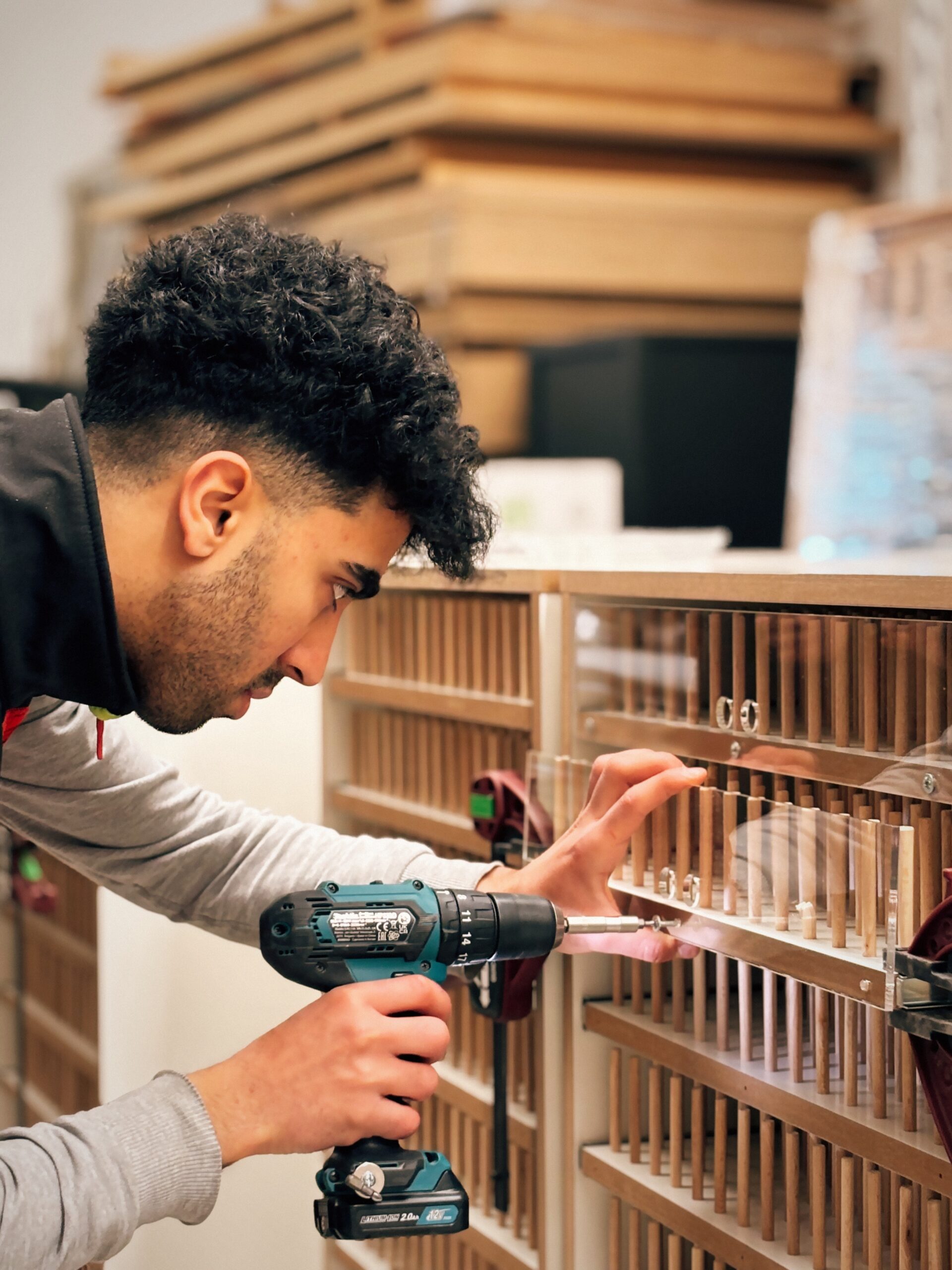
To allow for an immediate view of the spools, a transparent plexiglass panel has been integrated. Two circular holes have been cut into this panel for each drawer, enabling convenient access without compromising the clean lines and continuity of the design.
The finishes have also been carefully designed: the base and top have been chamfered using an edge-banding machine, resulting in a clean, uniform surface without the addition of applied edges.
Production and Prototyping
Now that the design and planning phases are complete, the project has entered the
pilot production phase. Each chest of drawers was assembled in-house, with
components labeled to ensure order and control at every stage. To date, thirty units have been produced. However, the value of the project lies not in the quantity, but in the process that led to its completion.
Un approccio orientato all’industrializzazione
The Astra project is a perfect example of the Design Hub’s approach: an environment where ideas don’t remain mere concepts, but become
tangible prototypes that are tested and ready for mass production.
It is a process that enables the development of scalable products, while consistently maintaining a balance between design quality, production efficiency, and attention to detail.
Conclusion
That is why the
Design Hub was created: to transform complex needs into tangible solutions, guiding each project from the initial sketch through to production. This same approach has guided the development of projects such as
StarsBOX and the
Home Office collection, reaffirming the Saglietti Group’s role as a
bridge between design and industry, between vision and reality.
Because an idea is the starting point.
But it is only when it takes
shape, becomes precise, and can be replicated that it can truly enter the world.